

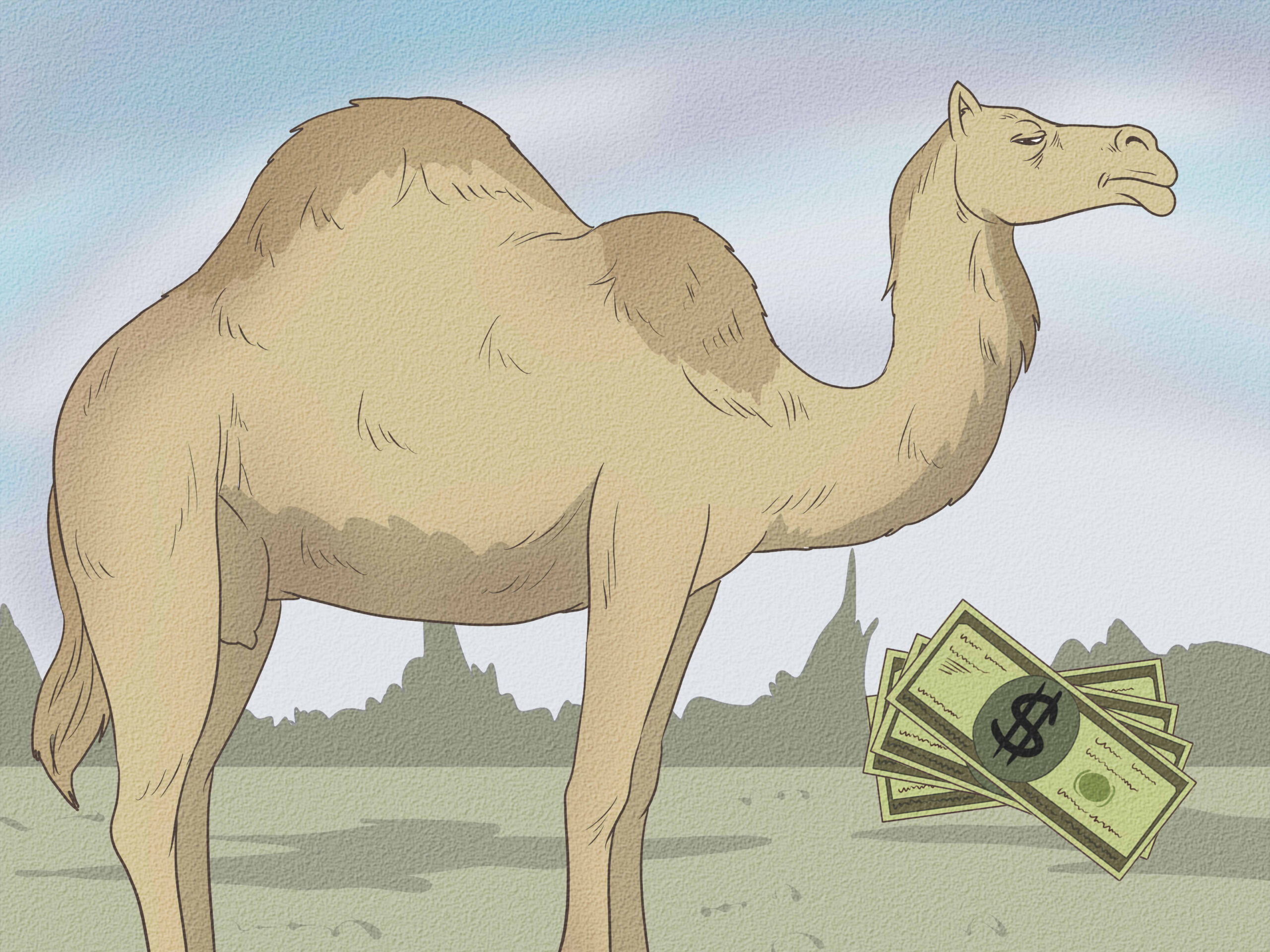
How Many Camels Am I Worth What begins as a lighthearted internet quiz or a playful joke often leads into a fascinating rabbit hole of global history, ancient economics, and tribal sociology. The search term “How many camels am I worth?” has exploded in popularity across the internet, driven by online camel calculators and viral social media trends. Beneath the playful algorithms lies a genuine historical practice where livestock, particularly camels, served as the primary currency, measure of status, and standard of human transaction across the arid landscapes of Africa, the Middle East, and Central Asia.
Understanding the true value of a camel requires looking beyond modern digital quizzes. It demands an examination of how ancient societies calculated wealth, how livestock backed global trade routes, and how camels continue to command immense financial and cultural value in the modern world.
The Origin of the “Camel Calculator” Phenomenon
The contemporary surge in interest surrounding camel valuation stems largely from viral online tools known as “Camel Calculators.” These humorously designed interactive quizzes ask users to input demographic data, such as age, height, hair color, eye color, and personality traits, before generating a total number of camels representing their hypothetical “worth.”
While these digital calculators are purely How Many Camels Am I Worth entertainment-focused and mathematically arbitrary, they borrow conceptually from historical systems of “dowry” and “bride price” (known in various cultures as Mahr or livestock exchange). In ancient nomadic societies, family alliances and marital unions were accompanied by livestock transfers. The exchange was not a purchase of a human being in the modern sense, but rather an economic compensation to the bride’s family for the loss of her labor, productivity, and lineage contributions, as well as a demonstration of the groom’s financial ability to support a household.
Camels as Ancient Currency: The Ships of the Desert
Long before fiat currencies, paper money, or centralized banking systems existed, wealth was tangible, mobile, and alive. In harsh, desert ecosystems where agriculture was virtually impossible, livestock formed the bedrock of economic survival. Among all domesticated animals, the camel emerged as the ultimate financial asset.
                  ANCIENT TRIBAL LIVESTOCK CURRENCY HIERARCHY
  ┌──────────────────────────────────────────────────────────────────────────┐
  │  HIGH VALUE ASSET (Camels): Transcontinental Trade, Blood Money, Mahr    │
  ├──────────────────────────────────────────────────────────────────────────┤
  │  MEDIUM VALUE ASSET (Cattle/Horses): Regional Trade & Transportation    │
  ├──────────────────────────────────────────────────────────────────────────┤
  │  BASE LIQUID ASSET (Goats/Sheep): Daily Commerce & Food Consumption       │
  └──────────────────────────────────────────────────────────────────────────┘
The Economic Backbone of Trade Routes
Camels earned their title as the “Ships of the Desert” because of their extraordinary biological adaptations. Capable of carrying up to five hundred pounds of cargo across hundreds of miles without water, camels enabled the expansion of the Trans-Saharan trade network and the Silk Road. Merchants traded silk, spices, gold, salt, and manuscripts using camel caravans. The size of a merchant’s camel herd directly dictated their logistics capability and, consequently, their net worth.
Blood Money and Legal Restitution
In many traditional Arabian and North African legal frameworks, including early Islamic jurisprudence (Diyya), damage compensations and legal restitutions were formally standardized using camels. If a tribal conflict resulted in accidental death or bodily harm, the offending party settled the feud by paying a predetermined number of camels to the victim’s family. A standard compensation for a human life in historical legal codes was set at precisely one hundred camels. This legal standard cemented the camel as a formal economic unit of measurement for human restitution.
What Determines the Real Value of a Camel Today?
If you were to convert human assets, labor, or currency into camels in the modern market, the monetary output would vary drastically depending on How Many Camels Am I Worth the animal’s breed, health, age, and purpose. The camel market is far from uniform, ranging from standard livestock prices to multi-million-dollar luxury racing assets.
1. Breed and Genetic Lineage
- Dromedary Camels (Single Hump): Native to the Middle East and North Africa, these make up roughly ninety percent of the world’s camel population. They are prized for speed, milk production, and heat endurance.
- Bactrian Camels (Two Humps): Native to Central Asia, these heavy-set camels possess thick winter coats and superior cold-weather resilience, making them highly valuable in countries like Mongolia and Kazakhstan for heavy draft labor.
2. Market Classification and Utility
- Standard Livestock & Utility Camels: A healthy adult camel used for basic transportation, meat, or milk generally costs between $1,000 and $3,000 USD in regional markets across East Africa and the Middle East.
- Dairy Camels: With camel milk gaining international recognition as a nutrient-dense superfood, high-yielding female camels can fetch between $4,000 and $8,000 USD.
- Beauty Pageant and Racing Camels: At the extreme end of the economic spectrum, elite thoroughbred racing camels and beauty contest winners in the Gulf Cooperation Council (GCC) nations command astronomical sums. Purebred camels with exceptional pedigree, distinct facial symmetry, and long legs regularly sell at auction for anywhere between $100,000 and over $2,000,000 USD.
                    MODERN CAMEL MARKET VALUATION GUIDE
 ┌───────────────────────────┬──────────────────────────┬──────────────────┐
 │ Camel Category            │ Primary Purpose          │ Price Range USD  │
 ├───────────────────────────┼──────────────────────────┼──────────────────┤
 │ Basic Utility / Meat      │ Labor & Local Produce    │ $1,000 - $2,500  │
 ├───────────────────────────┼──────────────────────────┼──────────────────┤
 │ High-Yield Dairy          │ Commercial Milk Yield    │ $3,000 - $7,000  │
 ├───────────────────────────┼──────────────────────────┼──────────────────┤
 │ Elite Racing / Beauty     │ Competition & Pedigree   │ $50,000 - $2M+   │
 └───────────────────────────┴──────────────────────────┴──────────────────┘
Calculating the Playful Math: How Many Camels Are You Worth?
To answer the viral question mathematically using modern financial metrics, we can compare average global net worth or annual income against the market price of a standard utility camel ($2,000 USD).
If an individual earns an average annual salary of approximately $40,000 USD, their annual productive output in basic utility camels equates to How Many Camels Am I Worth roughly twenty camels per year. For an individual living in a high-income developed country with an average median net worth of $150,000 USD, their total financial portfolio converts to approximately seventy-five standard utility camels.
However, if evaluated against an elite Gulf racing camel valued at $1,000,000 USD, even high-net-worth individuals might find their economic output equating to only a fraction of a single prize-winning animal. This stark contrast highlights the vast economic spectrum of modern camel ownership.
The Lasting Cultural Legacy of the Camel
While modern banking, automobiles, and digital infrastructure have replaced camels as daily necessities in urban centers, their symbolic and cultural value remains intact. In Bedouin, Somali, Tuareg, and Mongolian cultures, camels remain deeply embedded in poetry, proverbs, and social identity. They represent endurance through hardship, independence in harsh environments, and generational security.
The question “How many camels am I worth?” may have evolved into an internet meme, but it serves as an educational doorway into human history. It reminds us that long before stock markets, real estate portfolios, and cryptocurrencies, human prosperity was measured by the rhythmic stride of livestock across the open desert.
Frequently Asked Questions
How much does a real camel cost to buy today?
In major livestock markets in North Africa and the Middle East, a standard working or pack camel costs between $1,000 and $2,500 USD. Specialized dairy breeds cost upwards of $5,000, while elite racing and show camels can command millions at auction.
Where did the online Camel Calculator trend come from?
The trend originated as an internet parody of historical cultural practices involving bride prices and dowries in traditional pastoral societies. It gained viral traction through social media platforms as a fun, personality-based quiz.
Is it still legal to trade camels in exchange for marriage today?
In almost all modern sovereign legal systems, marriage is a consensual civil or religious contract, and human beings cannot be bought or sold. However, symbolic gifts How Many Camels Am I Worth or cultural transactions like Mahr (a mandatory gift from the groom to the bride in Islamic tradition) remain customary in many regions and can include livestock, gold, or money.
Why were camels considered more valuable than horses in desert regions?
Camels require far less water, can digest tough desert vegetation that horses cannot eat, carry heavier loads over longer distances, and provide nutrient-rich milk, making them far superior for long-term survival in arid environments.
