

Introduction
David ruffin death remains one of the most influential and iconic voices in the history of soul music. As the lead singer of The Temptations during their rise to fame in the 1960s, Ruffin’s soulful voice and commanding stage presence helped shape the sound of Motown and leave an indelible mark on the genre. However, his life was marred by personal struggles, substance abuse, and tumultuous relationships that culminated in a tragic death. Understanding the circumstances surrounding David Ruffin’s death provides insight into not only the man himself but also the challenges faced by many artists of his era.
This article offers a detailed exploration of David Ruffin’s life, his career achievements, the events leading up to his death, and the legacy he left behind. Through comprehensive research and factual accuracy, we aim to present an authoritative account that honors his contributions while acknowledging the hardships that ultimately led to his demise.
Early Life and Rise to Fame
Childhood and Musical Beginnings
David Ruffin was born on December 18, 1941, in David ruffin death Whynot, Mississippi, a small rural community. Raised in a modest environment, Ruffin moved to Detroit with his family during his childhood. His early exposure to gospel music and church choir performances cultivated his rich, soulful voice, which would later become his signature sound.
Joining The Temptations
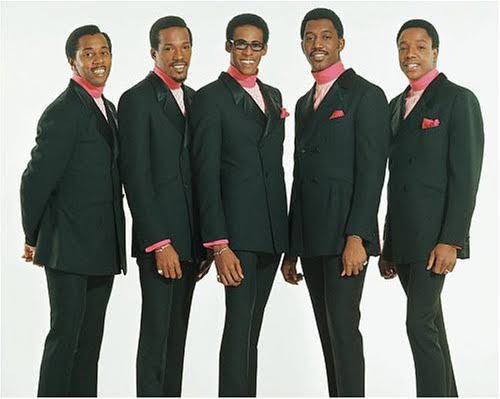
In 1964, Ruffin auditioned for Motown Records and was soon recruited to join The Temptations, a group that had already begun to gain recognition. Ruffin’s addition brought a new dimension to the group’s sound, characterized by his deep, raspy voice and charismatic stage presence. His influence was immediate; he became the group’s lead singer on many hits, including classics like “My Girl,” “Ain’t Too Proud to Beg,” and “I Wish It Would Rain.”
Impact on Soul Music
During his tenure with The Temptations, Ruffin helped elevate the group to international stardom. His vocal style and commanding performances set David ruffin death a standard for soul and R&B music. The recordings he led are considered some of the finest examples of Motown’s golden era, and his influence continues to resonate within the genre.
Personal Struggles and Challenges
Substance Abuse and Mental Health
Despite professional success, Ruffin’s personal life was fraught with difficulties. He struggled with drug addiction, which was common among many artists of his time but often had severe consequences. His substance abuse issues affected his performances and relationships within the group, leading to tensions and instability.
Conflicts with The Temptations
Ruffin’s relationship with The Temptations was complex. His desire for control and recognition sometimes clashed with group dynamics, resulting in conflicts and eventual departure from the group in 1968. His departure was tumultuous, marked by accusations and legal disputes, but his talent remained undeniable.
Solo Career and Continued Struggles
Following his departure from The Temptations, Ruffin pursued a solo career that produced some notable recordings. However, his personal struggles persisted, including legal issues, financial difficulties, and ongoing substance abuse. Despite these challenges, he continued to perform and record, driven by his passion for music.
The Circumstances Leading to David Ruffin’s Death
The Final Years
In his later years, Ruffin’s health and personal life deteriorated further. He faced ongoing addiction problems and was frequently in and out of trouble with the law. His financial situation was unstable, and he struggled to regain the success he once enjoyed.
The Night of June 1, 1991
David Ruffin’s death occurred on June 1, 1991, in a Detroit motel room. The circumstances surrounding his death were initially unclear, but subsequent reports indicated that he died of a cocaine overdose. His body was found alone, and his death was ruled accidental.
Details of the Death
Ruffin was 49 years old at the time of his passing. Reports suggest that he had been dealing with health issues related to his long-standing substance abuse. His death was a tragic end to a life marked by extraordinary talent and profound personal struggles. The loss was deeply felt within the music community, and tributes poured in from fans and fellow artists alike.
Legacy and Impact
Musical Influence
Despite his tumultuous life, David ruffin death influence on soul and R&B music remains profound. His distinctive voice and emotive singing style have inspired countless artists across generations. His recordings with The Temptations are regarded as some of the greatest in the genre, and his solo work continues to be celebrated.
Cultural Significance
Ruffin’s story is also a reflection of the challenges faced by many talented artists who struggle with fame, addiction, and personal demons. His life story serves as both an inspiration and a cautionary tale about the pressures of the music industry and the importance of mental health and support.
Posthumous Recognition
Over the years, Ruffin has been posthumously recognized for his contributions to music. Inductions into various halls of fame, tribute concerts, and biographical documentaries have helped keep his memory alive and introduce his work to new audiences.
Frequently Asked Questions About David Ruffin’s Death
How did David Ruffin die?
David Ruffin died on June 1, 1991, from a cocaine overdose. His David ruffin death was ruled accidental, and he was found alone in a Detroit motel room.
Was David Ruffin battling addiction before his death?
Yes, Ruffin’s struggles with substance abuse were well-documented. His addiction issues affected his health, career, and personal relationships over many years.
Did David Ruffin have any health problems at the time of his death?
While specific health issues related to his overdose were not widely reported, Ruffin’s long-term drug abuse contributed to health problems that likely impacted his lifespan.
What is David Ruffin’s legacy today?
Ruffin’s legacy endures through his influential vocal style and recordings. He is remembered as one of the greatest soul singers of all time, with a lasting impact on the genre.
Are there any memorials or tributes to David Ruffin?
Yes, Ruffin has been honored through inductions into music halls of fame, tribute concerts, and documentaries. His music continues to inspire new generations of artists.
Conclusion
David Ruffin’s life was a complex tapestry of immense talent, personal struggles, and tragic circumstances. As the lead singer of The Temptations, his voice helped define an era of soul music that continues to influence artists today. However, his battles with addiction and the tumult of fame ultimately overshadowed his career, leading to his untimely death at the age of 49.
Understanding the story of David Ruffin’s death not only sheds light on the man behind the music but also highlights the importance of mental health and support for artists facing similar challenges. His legacy remains a testament to the power of soulful expression and the enduring impact of his contributions to American music history.
By remembering Ruffin’s David ruffin death journey, we honor his talent and acknowledge the human vulnerabilities behind the legend. His story serves as both an inspiration and a reminder of the importance of compassion and understanding in the world of art and beyond.
