

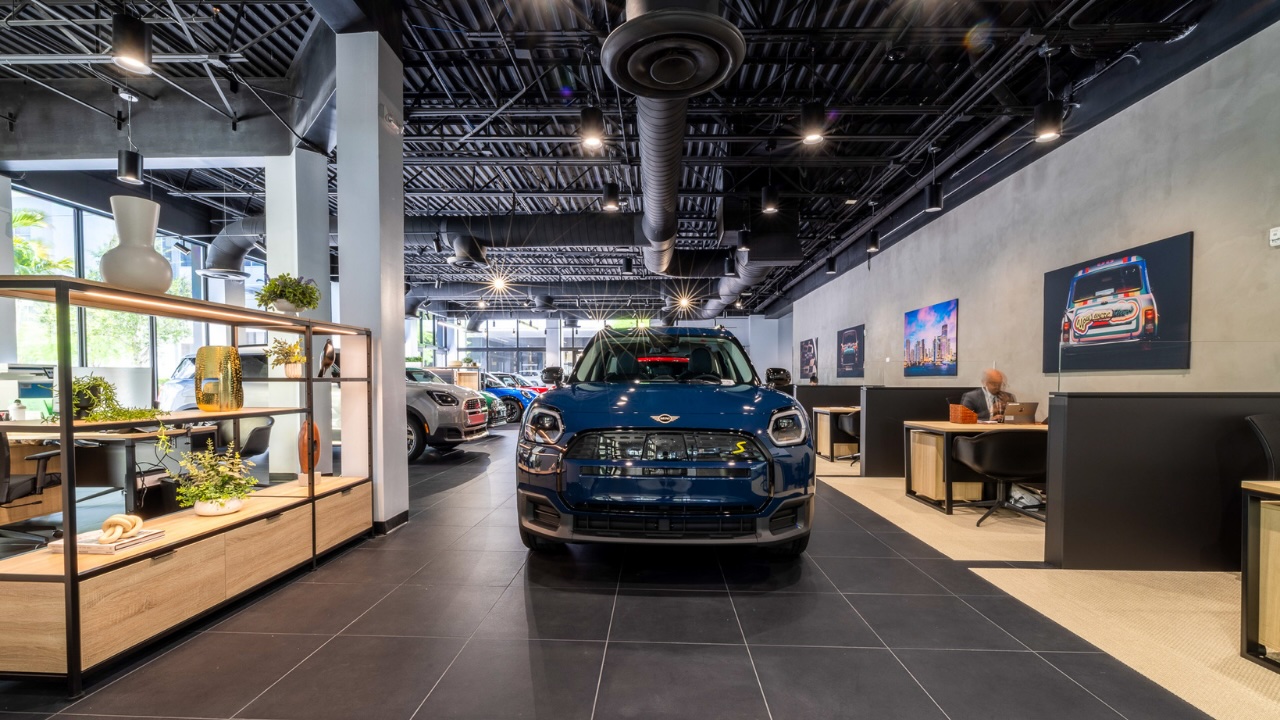
Car Dealership with Hearing Loop Purchasing or leasing a vehicle is one of the most significant financial decisions a consumer makes. From evaluating complex mechanical specifications to negotiating contract terms in the Finance and Insurance (F&I) office, clear communication between sales advisors and buyers is paramount. However, for millions of individuals living with hearing loss, traditional car showrooms present severe auditory challenges. High ceilings, glass partition walls, tiled floors, and background ambient noise create acoustic echo that makes speech perception exceptionally difficult.
To solve this barrier, forward-thinking automotive retailers are actively transforming their facilities into accessible venues. Visiting a car dealership with hearing loop technology ensures that customers who wear hearing aids or cochlear implants can hear every detail of their transaction clearly, without strain or misunderstanding.
This comprehensive guide explores how induction loop systems function within automotive environments, why accessibility benefits both buyers and retailers, and how implementing modern hearing technology sets a new standard for inclusive customer service.
Understanding Hearing Loop Technology in Automotive Retail
A hearing loop—technically known as an Audio Frequency Induction Loop System (AFILS)—is an assistive listening technology designed to transmit audio signals directly from a sound source into a user’s hearing device. Unlike standard public address systems or loudspeakers that project sound into an open room, a hearing loop isolates the speaker’s voice and eliminates background noise, reverberation, and room acoustics.
When a customer visits a car dealership with hearing loop installations, a specialized microphone captures the sales consultant’s or finance manager’s voice. This audio signal feeds into an induction loop amplifier, which generates an electromagnetic field through a thin copper wire hidden around a counter, desk, or room boundary.
The user’s hearing aid or cochlear implant, when switched to the telecoil (or “T-coil”) setting, picks up this magnetic signal wirelessly. The result is crystal-clear sound delivered directly to the listener’s ears as if the speaker were sitting mere inches away.
+--------------------------------------------------------------------+
|                How a Dealership Hearing Loop Works                 |
+--------------------------------------------------------------------+
                                  |
 [Microphone] ---> Captures Sales / Finance Specialist's Voice
                                  |
                                  v
 [Loop Amplifier] -> Converts Speech into Electromagnetic Signals
                                  |
                                  v
 [Induction Loop Wire] -> Concealed under Desk, Counter, or Perimeter
                                  |
                                  v
 [Telecoil / T-Coil] ---> Hearing Aid / Implant Receives Direct Audio
Types of Hearing Loop Systems Used in Showrooms
Car dealerships utilize several configurations of induction loops depending on the physical layout and the nature of the customer interaction:
- Counter Loops (Fixed Desktop Loops): Ideal for reception desks, service reception bays, and main customer service counters where quick, one-on-one exchanges take place.
- Perimeter Room Loops: Designed for enclosed consultation rooms and F&I offices where multi-person discussions occur over longer periods.
- In-Vehicle Mobile Loops: Specialized low-voltage loop systems installed inside test-drive vehicles or mobility vans, allowing buyers to hear driving instructions clearly over road and engine noise.
Why Accessibility Matters for Modern Automotive Dealerships
Integrating assistive listening devices is no longer merely a thoughtful gesture; it is a vital component of modern retail strategy, regulatory compliance, and universal design. Automotive groups that invest in accessibility signal a genuine commitment to customer care and consumer dignity.
Legal Compliance and Disability Equality Standards
In many international markets, providing effective auxiliary aids for hard-of-hearing customers is required by law:
- The Equality Act 2010 (UK): Mandates that service providers make reasonable adjustments—including installing hearing loops—to prevent discrimination against disabled service users. Failing to offer accessible communication channels in commercial settings can constitute unlawful discrimination.
- The Americans with Disabilities Act (ADA): Outlines accessibility standards for places of public accommodation, requiring public assembly areas and customer service counters to provide effective communication assistance, such as assistive listening systems.
- Building Regulations & Standards: Standard codes such as BS 8300 in the UK and IEC 60118-4 internationally specify performance benchmarks for magnetic field strength and acoustic clarity in public spaces.
By visiting a certified car dealership with hearing loop setups, consumers can feel confident that the retail establishment adheres strictly to legal accessibility frameworks.
Serving an Aging Demographic and Hearing Device Users
According to global health organizations, approximately 15% to 20% of the adult population experiences some degree of hearing impairment, with the percentage rising sharply among adults over age 60. Coincidentally, older demographics represent a major purchasing force in the automotive sector, often possessing the disposable income required for new car sales, luxury upgrades, and Motability lease schemes.
When a dealership fails to accommodate hearing loss, prospective buyers may feel frustrated, overwhelmed, or embarrassed during negotiations. This frequently leads to abandoned sales or negative brand perceptions. Conversely, an accessible showroom creates a welcoming, comfortable environment where all buyers can participate fully in the purchasing journey.
Critical Areas for Hearing Loop Installation in a Car Dealership
An effective accessibility layout ensures that a customer’s auditory needs are met from the moment they step onto the forecourt until they drive away in their new vehicle. A fully equipped car dealership with hearing loop infrastructure installs systems at key interaction points throughout the building.
+--------------------------------------------------------------------+
|               Key Dealership Zones for Hearing Loops              |
+--------------------------------------------------------------------+
  [1. Reception]       ---> Initial Greeting & Directions
  [2. Service Desk]    ---> Maintenance Appointments & Estimates
  [3. Sales Desks]     ---> Vehicle Selection & Feature Reviews
  [4. F&I Office]      ---> Contract Signing & Confidential Discussions
  [5. Test Drive]      ---> In-Vehicle Direct Audio during Drive
1. Reception and Main Greeting Desks
The initial interaction sets the tone for the entire customer experience. Showroom reception areas are notoriously noisy due to ambient chatter, phone lines ringing, and hard surface reflection. A dedicated desktop hearing loop installed at the main greeting desk ensures that receptionists can direct visitors smoothly without having to raise their voices.
2. Service Center and Parts Counters
The service department is typically the loudest area inside a dealership. Air compressors, impact wrenches, vehicular movement, and overhead paging systems create a high-decibel background. Installing localized counter loops at service intake stations allows service advisors to explain diagnostic reports, repair estimates, and routine maintenance packages clearly to hard-of-hearing vehicle owners.
3. Sales Consultant Desks and Open Showroom Spaces
During the vehicle exploration phase, buyers sit down with sales representatives to review spec sheets, optional packages, and color combinations. Standard desk-mounted induction loops create a focused “listening zone” across the desk, preventing surrounding showroom noise from interfering with the conversation.
4. Finance and Insurance (F&I) Consultation Rooms
The finance office handles highly detailed, legally binding documents, including credit applications, interest rates, trade-in valuations, and extended warranty policies. Mishearing a single number or policy term can cause severe misunderstandings.
Because finance offices are private, enclosed spaces, perimeter hearing loops or confidential counter loops provide crisp sound while maintaining absolute privacy. Customers do not need to worry about confidential financial details being amplified publicly, as the magnetic signal is confined strictly to the user’s personal telecoil.
5. In-Vehicle Loops for Demonstration and Test Drives
A truly comprehensive car dealership with hearing loop technology extends accessibility onto the road. Test drives involve elevated cabin noise, tire hum, and wind turbulence. Portable or built-in vehicle induction loops allow the sales representative to wear a compact microphone that wirelessly feeds their voice directly into the prospective buyer’s hearing device while driving, ensuring safe and clear communication on the highway.
Benefits of Choosing a Car Dealership with Hearing Loop Systems
For car buyers who use hearing aids or cochlear implants, selecting a dealership that prioritizes assistive listening technology offers distinct practical advantages.
| Feature / Aspect | Traditional Showroom Experience | Car Dealership with Hearing Loop |
| Acoustic Environment | Echoes, background noise, and reverberation | Direct audio, zero background clutter |
| Communication Clarity | Buyer strains to hear sales rep | Seamless speech understanding |
| Financial Privacy | Rep must shout terms in noisy rooms | Subtle, direct transmission to hearing aid |
| Test Drive Safety | Distracting road noise hides speech | Clear driver-to-passenger audio |
| Customer Confidence | Stressful, tiring negotiation | Empowered, fully informed buying |
Complete Elimination of Ambient Noise
Standard hearing aids amplify all surrounding sounds equally unless modified. In a busy dealership, this means air conditioning hum, coffee machine noise, and neighboring conversations get boosted alongside the sales representative’s voice. A hearing loop bypasses the hearing aid’s exterior microphone entirely, feeding pure audio straight into the telecoil.
Restored Privacy and Discretion
Hard-of-hearing individuals often struggle when staff attempt to compensate by speaking loudly. In an open showroom, discussing personal budgets, credit scores, or medical conditions (such as disability driving adaptations) at high volume compromises personal privacy. Hearing loops preserve discretion, allowing normal conversational volume to be transmitted directly to the listener.
Reduced Cognitive Fatigue during Negotiations
Listening through heavy background interference requires intense mental concentration, leading to auditory fatigue. By removing listening strain, buyers can focus their full attention on evaluating vehicle specifications, reviewing contract agreements, and making confident purchasing decisions.
Best Practices for Implementing Hearing Loops in Dealerships
For automotive dealer principals, managers, and facilities directors planning to upgrade their venues, proper planning and installation are critical to achieving optimal performance. Simply purchasing off-the-shelf equipment is insufficient without adherence to professional acoustic engineering standards.
Professional Site Assessment and Standards Compliance
Automotive showrooms contain significant amounts of structural metal, reinforced concrete, and electronic equipment, all of which can interfere with electromagnetic signals. Dealerships must partner with certified audio-visual accessibility specialists who install systems conforming to the international IEC 60118-4 standard. This guarantees consistent field strength, flat frequency response, and zero background hum.
Clear International Hearing Loop Signage
A hearing loop system is invisible by nature. Therefore, prominent signage is essential so that customers know the technology is available. Dealerships should display the official International Symbol for Deafness (a blue ear icon featuring a diagonal line and the letter “T”) at:
- Main entrance doors and reception areas
- Individual sales desks and service counters
- F&I office doors
- Customer waiting lounges and coffee bars
      +-----------------------------------------+
      |                 [  T  ]                 |
      |   HEARING LOOP INSTALLED HERE           |
      |   Please switch your hearing aid        |
      |   or cochlear implant to 'T' position   |
      +-----------------------------------------+
Comprehensive Staff Training
Technology is only as effective as the personnel operating it. Dealership management must conduct routine staff training sessions to ensure every employee knows:
- How to verify that the loop amplifier is powered on and functioning.
- How to position microphones correctly relative to the speaker’s mouth.
- How to assist customers in activating their device’s telecoil program.
- How to perform periodic testing using a field strength meter or loop listener device.
Frequently Asked Questions
What is a car dealership with hearing loop capability?
A car dealership with hearing loop capability is an automotive retail store fitted with Audio Frequency Induction Loop Systems (AFILS). These systems broadcast direct audio signals from dealership microphones straight into a customer’s hearing aid or cochlear implant, removing background showroom noise.
How do I locate a car dealership with hearing loop systems near me?
Many national motoring accessibility directories (such as Motability Scheme accredited dealer listings) indicate accessible showroom features. Additionally, business listings on platforms like Google Maps frequently include accessibility details under their venue profile tab. You can also call a dealership’s customer care team in advance to confirm whether their sales and service desks feature active induction loops.
Do I need a special setting on my hearing aid to use a dealership loop?
Yes. To connect to a hearing loop, your hearing aid or cochlear implant must be equipped with a telecoil (T-coil) and switched to the “T” or “Loop” program. Roughly 70% of modern hearing devices include a telecoil. If you are unsure whether your device has this feature activated, consult your audiologist prior to visiting the showroom.
Can hearing loops be used inside a car during a test drive?
Yes. Dealerships can utilize compact, low-voltage vehicle induction loops or portable battery-powered loop units inside demonstration vehicles. The sales representative wears a small microphone, enabling clear, direct communication throughout the test drive despite cabin and road noise.
Are car dealerships legally required to provide hearing loops?
In many jurisdictions, yes. Under legislation such as the Equality Act 2010 in the UK and the Americans with Disabilities Act (ADA) in the United States, commercial businesses and public service providers are legally mandated to make reasonable Car Dealership with Hearing Loop adjustments to ensure equal access for individuals with disabilities, including auxiliary aids for hearing impairment.
Conclusion: Setting the Standard for Accessible Motor Retail
As the automotive sector continues to evolve, customer experience remains the primary differentiator for physical retail locations. Integrating assistive listening technology represents a major leap forward in creating equal, stress-free vehicle buying experiences for everyone.
