

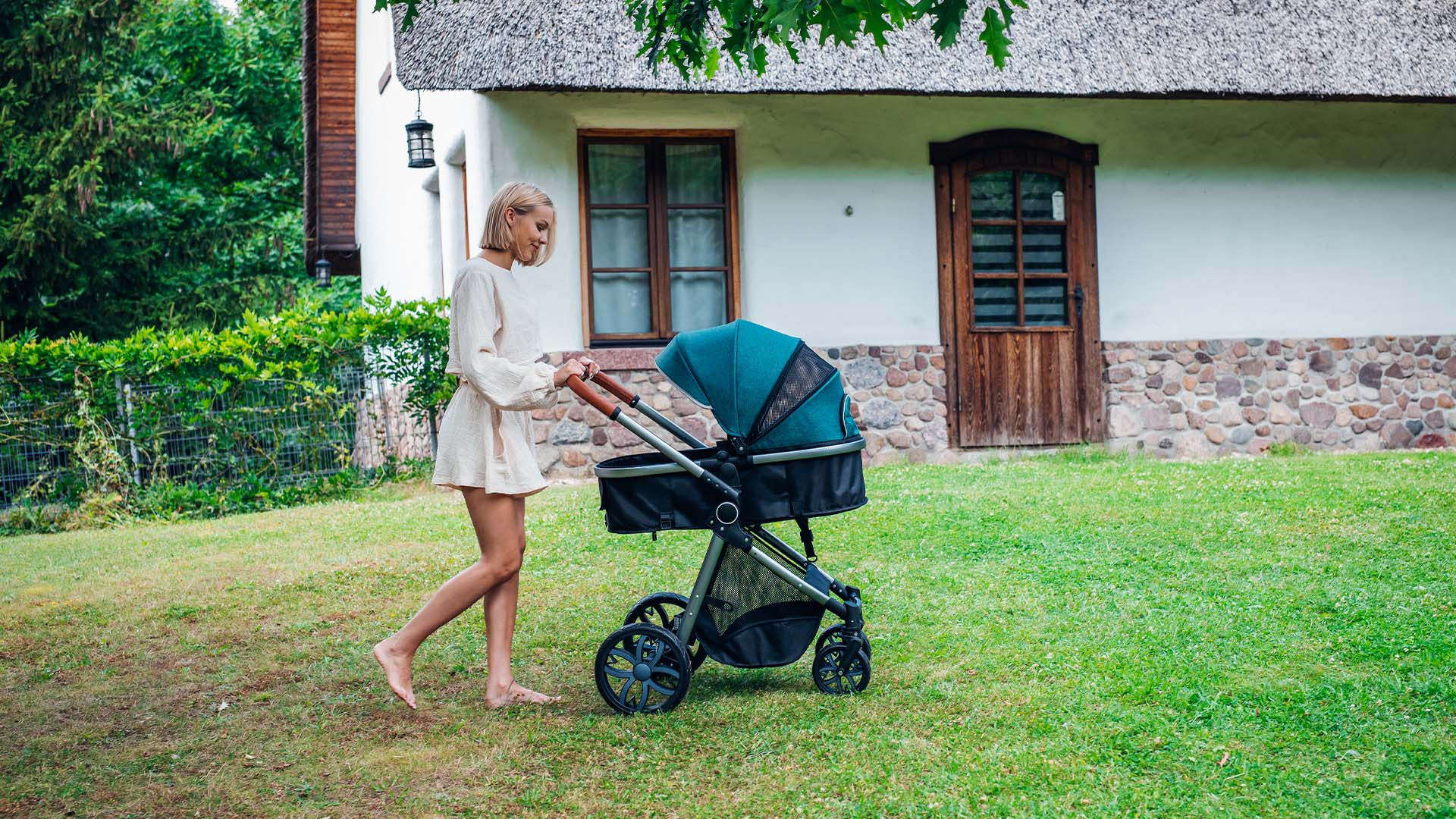
How to Choose a Baby Stroller Selecting the right baby stroller is one of the most important decisions new parents face. Beyond serving as a simple transport device, a stroller functions as a daily essential that influences mobility, infant safety, and overall convenience. With an overwhelming variety of designs—ranging from ultra-compact travel units to heavy-duty jogging models—finding the ideal match requires evaluating clear priorities based on your lifestyle, home environment, and budget.
Defining Your Core Stroller Requirements
Before comparing specific models, evaluating daily routines narrows down the list of practical options significantly. Urban parents negotiating subway stairs, narrow store aisles, and compact trunk space require streamlined maneuverability and lightweight construction. Conversely, families residing in suburban or rural environments often prioritize heavy-duty suspension, puncture-proof terrain wheels, and expansive under-seat storage over minimal weight.
Vehicle compatibility and living arrangements How to Choose a Baby Stroller also dictate the ideal stroller profile. A bulky full-sized stroller can quickly become frustrating if daily life involves lifting it into a compact car trunk or navigating narrow hallway storage. Assessing how easily a frame folds, how much weight you can comfortably lift repeatedly, and whether a one-handed folding mechanism is functional for your build are critical early considerations.
Key Features, Safety Standards, and Age Requirements
Infants undergo rapid developmental shifts, meaning a single stroller configuration may not fit every stage without proper modularity. Safety standards mandate specific foundational elements, particularly for newborns who lack neck control and require flat recline surfaces.
       STROLLER SELECTION MATRIX FOR DIFFERENT STAGES
 ┌──────────────────┬──────────────────────┬───────────────────────┐
 │ Developmental    │ Primary Seat         │ Key Feature           │
 │ Stage            │ Requirement          │ Focus                 │
 ├──────────────────┼──────────────────────┼───────────────────────┤
 │ Newborn (0-6M)   │ Flat Recline /       │ Head/Neck Support &   │
 │                  │ Bassinet Attachment  │ Car Seat Adapters     │
 ├──────────────────┼──────────────────────┼───────────────────────┤
 │ Infant (6-12M)   │ Multi-Position       │ 5-Point Harness &     │
 │                  │ Recline Seat         │ Adjustable Canopy     │
 ├──────────────────┼──────────────────────┼───────────────────────┤
 │ Toddler (12M+)   │ Upright, Durable     │ Weight Capacity &     │
 │                  │ High-Capacity Seat   │ Footrest Clearance    │
 └──────────────────┴──────────────────────┴───────────────────────┘
Newborn Support and Recline Needs
Infants under six months cannot sit unassisted and require a firm, completely flat sleeping surface or an integrated infant car seat attachment. Purchasing a stroller designed solely for upright seating without flat bassinet compatibility poses direct safety hazards for young babies.
Five-Point Harnessing and Brake Systems
A secure five-point harness—securing shoulders, hips, and between the legs—remains the universal benchmark for child retention. Harness buckles must prove easy for parents to operate while remaining child-proof. Additionally, single-touch foot brakes or handlebar-mounted parking brakes must engage swiftly and hold firmly on steep inclines.
Wheel Architecture and Suspension Quality
Plastic wheels function adequately on smooth retail floors, but rubber or foam-filled tires paired with all-wheel suspension absorb vibration over How to Choose a Baby Stroller cracked pavement, cobbles, and unpaved trails. Swivel front wheels offer maximum turning agility in tight spaces, while locking mechanisms stabilize the frame over rough ground.
Evaluating Stroller Categories
Understanding how primary stroller categories operate helps determine which design delivers long-term utility without unnecessary bulk.
Full-Sized Standard Strollers
Built as long-term solutions, full-sized strollers feature wide seating, generous storage baskets, and robust frames. They easily transition from infant use to toddlerhood through expandable modules, though their heavier frame requires more effort to transport.
Travel Systems
Integrating a modular stroller frame with a compatible infant car seat, travel systems eliminate the need to wake a sleeping baby when moving from car to stroller. They represent an efficient, cost-effective bundled solution for families who drive frequently.
Lightweight and Umbrella Strollers
Weighing significantly less than standard models, lightweight strollers fold into narrow footprints suitable for public transit and air travel. While lacking heavy-duty suspension or deep storage capacity, they excel in convenience for older infants and toddlers.
All-Terrain and Jogging Strollers
Constructed with high-grade aluminum, air-filled tires, and advanced shock absorption, jogging strollers maintain tracking stability at higher speeds. They are ideal for active parents, though their wider wheelbase makes them less suitable for tight indoor spaces.
Hands-On Store Inspection Checklist
Testing a stroller in person prevents post-purchase regret. When evaluating floor models, execute these practical tests:
- One-Handed Fold Test: Practice collapsing and erecting the frame while holding a bag to mimic real-world use.
- Turn Radius Assessment: Push How to Choose a Baby Stroller the frame through narrow turns using one hand to check frame balance and wheel responsiveness.
- Storage Basket Access: Verify that a fully loaded diaper bag easily slides into the lower basket while the seat is fully reclined.
- Handlebar Height Adjustment: Ensure the handlebar height adjusts comfortably for both primary caregivers to prevent back strain during long walks.
Long-Term Maintenance and Care
Routine maintenance preserves functional safety and extends resale value. Fabrics should be regularly vacuumed and spot-cleaned using mild detergents, avoiding harsh chemicals that degrade flame-retardant coatings or irritate sensitive skin.
Inspect wheel axles periodically for trapped hair or grit, applying silicone-based lubricants to maintain smooth rotation. Checking hardware tighteners, harness stitching, and brake responsiveness every few months ensures the stroller remains safe throughout its entire operational lifespan.
Frequently Asked Questions
When can a baby transition out of a bassinet to a standard stroller seat?
Transition typically occurs around six months of age, or once the infant demonstrates stable neck control and can sit up unassisted.
Are expensive strollers inherently safer than budget models?
All strollers sold commercially must comply with standard How to Choose a Baby Stroller mandatory safety guidelines. Higher price points generally reflect premium materials, advanced suspension systems, lighter weight, and improved durability rather than fundamental safety compromises.
