

Understanding Moth Eggs on Clothing
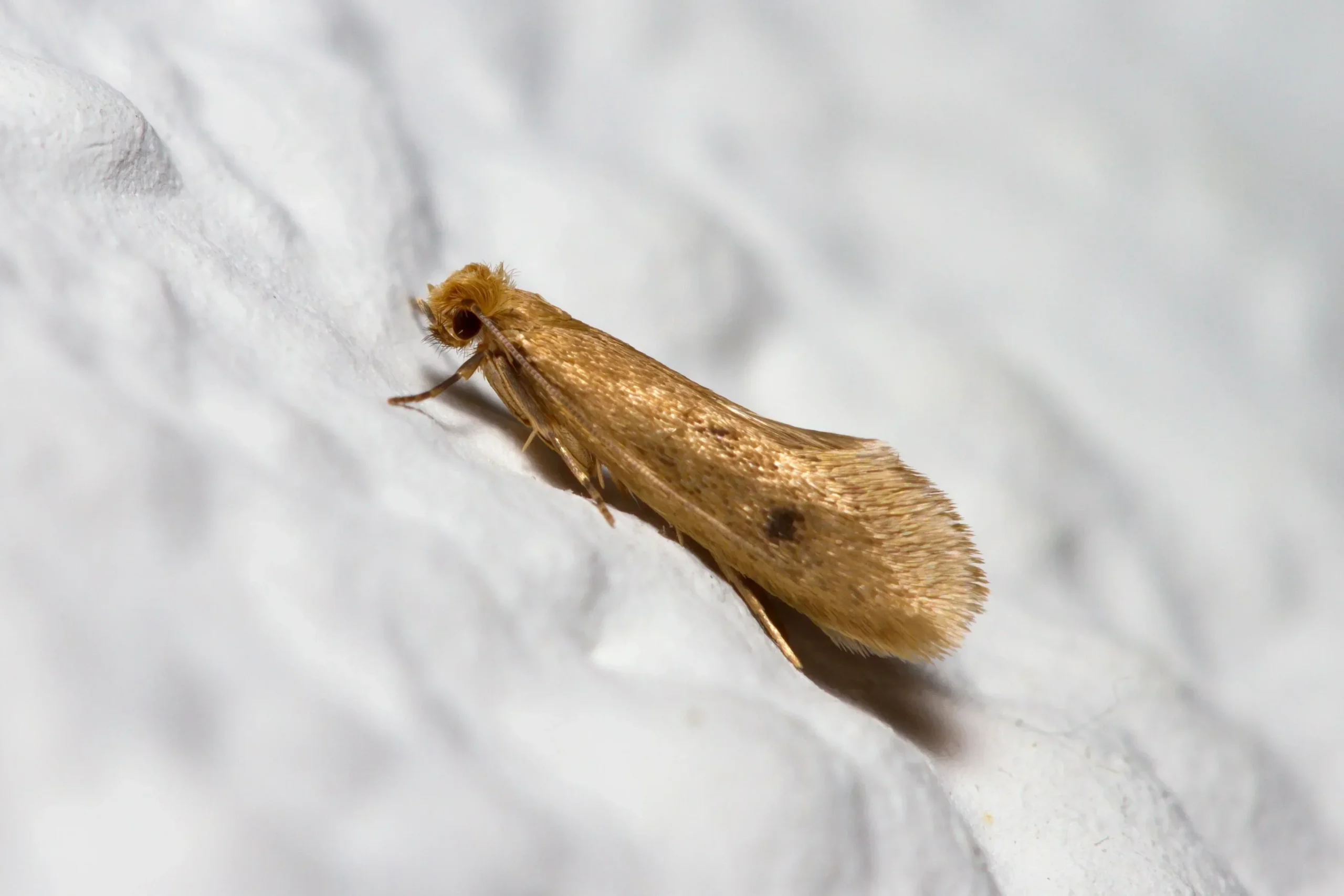
Many people discover small holes in their favorite garments and immediately ask, what do moth eggs look like on clothes? Moth eggs are extremely tiny and can be difficult to spot with the naked eye. They are usually laid by clothes moths in dark, undisturbed areas where natural fibers such as wool, cashmere, silk, and fur are stored.
The eggs themselves are not responsible for damaging clothing. Instead, the larvae that hatch from the eggs feed on natural fibers and create the holes commonly associated with moth infestations. Identifying the eggs early can help prevent extensive damage to your wardrobe.
What Do Moth Eggs Look Like on Clothes?
When examining what do moth eggs look like on clothes, it is important to know that they are very small, typically measuring less than 1 millimeter in size. Most moth eggs are cream-colored, white, or slightly yellow and have an oval shape.
Because of their tiny size, moth eggs often resemble grains of dust, tiny specks of sand, or small lint particles stuck to fabric. They may appear individually or in small clusters depending on where the adult moth chose to lay them. In many cases, homeowners notice the damage caused by larvae before they ever see the eggs themselves.
Where Moth Eggs Are Commonly Found
Understanding what do moth eggs look like on clothes also involves knowing where to search for them. Female moths prefer dark, quiet areas that are rarely disturbed. Closets, drawers, storage boxes, and garment bags are among the most common locations.
Eggs are often attached to clothing made from animal-based fibers because these materials provide food for newly hatched larvae. Areas around seams, folds, collars, and cuffs may be particularly attractive because they offer protection and reduced exposure to light.
Appearance Comparison Guide
The following table can help identify what do moth eggs look like on clothes compared to other common household particles:
| Item | Appearance |
|---|---|
| Moth Eggs | Tiny white or cream oval specks |
| Dust Particles | Irregular gray or brown particles |
| Lint | Soft fuzzy fibers |
| Fabric Debris | Small loose fabric fragments |
| Sand Grains | Hard granular particles |
This comparison can make it easier to distinguish potential moth eggs from ordinary household debris.
Signs of Moth Eggs and Larvae
People searching what do moth eggs look like on clothes should also look for other signs of infestation. Since eggs are difficult to see, secondary evidence is often more noticeable. Small holes in fabric are one of the most common warning signs.
Other indicators include silky webbing, tiny larval casings, or small caterpillar-like larvae on clothing. You may also notice damaged areas concentrated in garments made from wool, cashmere, silk, or other natural fibers. These signs often indicate that eggs have already hatched and larvae are actively feeding.
Why Clothes Moths Lay Eggs on Fabrics
The answer to what do moth eggs look like on clothes is closely related to why moths choose clothing in the first place. Adult clothes moths seek out natural fibers because these materials provide essential nutrients for their larvae after hatching.
Clothing that contains body oils, sweat residue, food stains, or skin particles can be especially attractive. Even clean-looking garments may provide enough organic material to encourage egg laying if they are stored for long periods without being cleaned.
How to Check Clothes for Moth Eggs
If you are concerned about what do moth eggs look like on clothes, a thorough inspection can help. Start by examining vulnerable garments under bright lighting. Pay special attention to folds, seams, pockets, and hidden areas where eggs may be attached.
Using a magnifying glass can make identification easier because moth eggs are extremely small. Regular inspections of seasonal clothing, blankets, and stored fabrics can help detect problems before significant damage occurs.
Preventing Moth Eggs on Clothing
Prevention is one of the best defenses against moth infestations. Understanding what do moth eggs look like on clothes allows homeowners to identify potential problems early and take action before larvae cause damage.
Clean clothing before storage, use airtight containers when possible, and regularly vacuum closets and drawers. Proper ventilation and routine garment inspections can also reduce the likelihood of moths laying eggs in your home. These simple habits help protect valuable clothing and textiles.
What to Do If You Find Moth Eggs
If you discover what appears to be moth eggs, quick action is important. Wash or dry-clean affected clothing according to the fabric’s care instructions. High temperatures can help eliminate eggs and larvae before they spread to other garments.
It is also advisable to inspect nearby clothing and thoroughly clean storage areas. Removing eggs early can prevent a small issue from becoming a larger infestation that damages multiple items throughout your wardrobe.
Conclusion
Understanding what do moth eggs look like on clothes is essential for protecting valuable garments from damage. Moth eggs are tiny, cream-colored, oval specks that can easily be mistaken for dust or lint. Because they are difficult to spot, homeowners should also watch for signs such as holes, webbing, and larvae.
Regular inspections, proper storage, and good clothing care practices can significantly reduce the risk of infestation. By identifying moth eggs early and taking preventive measures, you can keep your clothing collection safe and in excellent condition.
FAQs
What color are moth eggs on clothes?
Moth eggs are usually white, cream-colored, or pale yellow.
Can you see moth eggs without a magnifying glass?
Sometimes, but they are extremely small and often difficult to identify without close inspection.
Do moth eggs damage clothing?
No, the larvae that hatch from the eggs are responsible for fabric damage.
Where do moths usually lay eggs on clothes?
They commonly lay eggs in dark, undisturbed areas such as folds, seams, closets, and storage boxes.
How can I prevent moth eggs on clothing?
Wash clothes before storage, keep closets clean, and inspect garments regularly for signs of infestation.
